
Choosing a sound system for a church in Kenya
Setting up a church sound system in Kenya is a big step for any congregation. Church is a place for worship, celebration, and community. Good sound helps everyone feel part of the message, from the front pew to the back. At Vintage Sounds on Tiriki Lane, Nairobi, we help churches, schools, and event venues get the right gear for their needs. In this article, I’ll guide you through the main things to look at before making your choice.
Understand Your Church Space
No two churches in Kenya are the same. Some meet in permanent buildings, others in tents or simple halls. Start by looking at your space. How big is it? What is the roof and wall material? High ceilings, tin roofs, and open windows all affect how sound moves. A small rural church may only need a basic setup, while a large urban sanctuary may need more power. Walk around and imagine where people sit, sing, and preach. This will help you decide where to place your speakers and microphones.
Choose the Right Speakers
Speakers are the heart of any church sound system in Kenya. Think about coverage. You want every listener, even at the back, to hear clearly. In most Kenyan churches, two main speakers at the front do the job, but larger spaces may need extra speakers halfway back. For outdoor tents, speakers that handle weather and dust are useful. Pay attention to speaker stands or brackets, so sound travels over heads, not into the first row. Explore different speaker options to match your space and budget.
Amplifiers and Mixers: Get the Balance Right
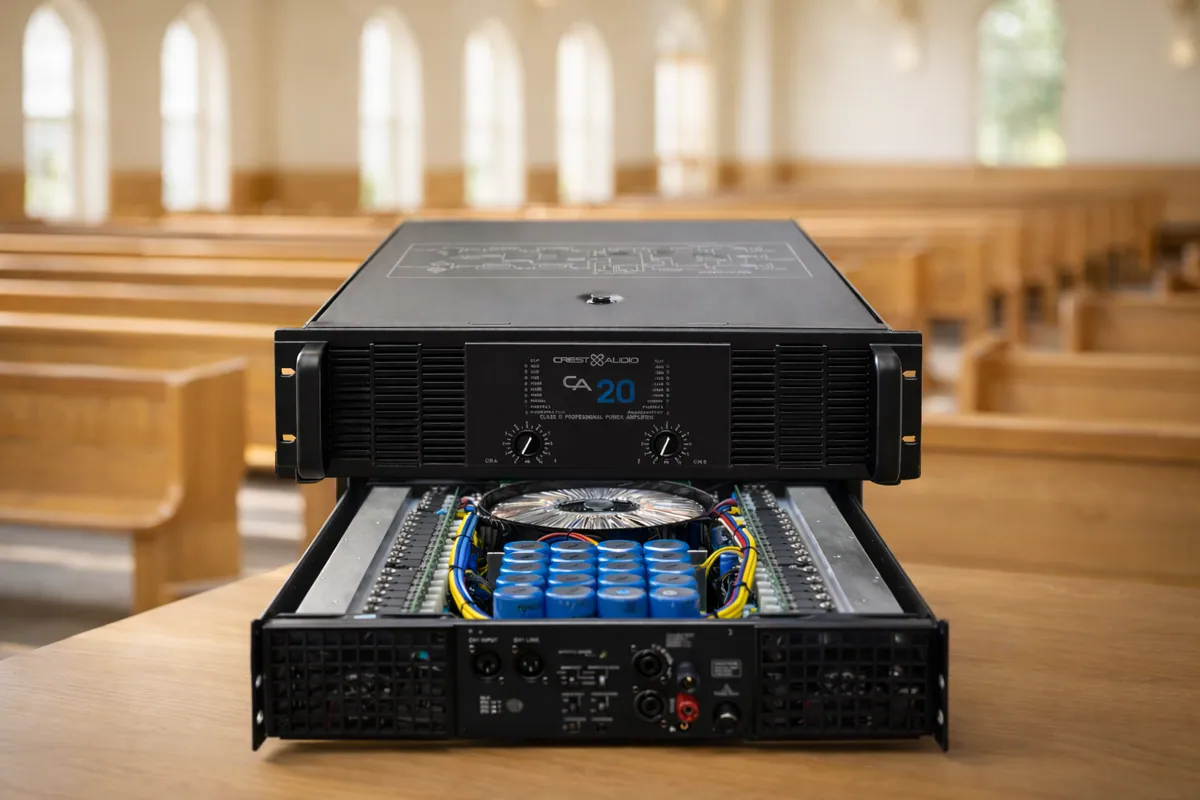
An amplifier matches the speakers and makes sure everyone hears the message. Too little power, and sound gets lost. Too much, and you get feedback or damage your gear. Check the wattage of your speakers and amplifiers to see they match. Mixers let you balance microphones, instruments, and music. Even a small church with two mics and a keyboard needs a basic mixer to blend the sound. Choose a mixer with enough channels for your needs, but don’t overcomplicate it. It’s better to use a simple system well than to struggle with a big one.
Microphones and Cables: The Small Things Matter
Every church needs good microphones for the pastor, singers, and sometimes the congregation. Wired microphones are reliable for fixed pulpits, while wireless mics give freedom to move. In Kenya, power cuts and generator noise are common, so pick mics that don’t buzz easily. Don’t forget cables and connectors. Short, neat cables reduce clutter and problems. Keep a few spare cables in the vestry or PA desk, as they wear out over time.
Plan for Growth and Versatility
A church sound system in Kenya should serve you for years. Think ahead. Will your church start a choir or host weddings? Do you hold open-air crusades or small home fellowships? Modular systems let you add more microphones, speakers, or even connect to projectors as your needs grow. Some churches use their PA for school events or community meetings. Investing in flexible gear avoids buying twice.
Easy Checks Before You Buy
- Count how many microphones and instruments you use on a normal Sunday.
- Test the acoustics by clapping or singing at different points in the room.
- Ask who will set up and run the sound. Choose gear that matches their skill level.
- Check for enough power sockets and safe wiring.
- Think about secure storage for your equipment.
Every church is unique, but the basics remain the same. Clear sound helps worship, teaching, and fellowship. If you’re looking for a reliable church sound system in Kenya, take your time, look at real needs, and talk to someone with experience.
For help choosing the right Sound & PA gear for your church, call or WhatsApp 0728 118246, or visit Vintage Sounds on Tiriki Lane, Nairobi. We’re here to help you make every word and song heard.