
How to match an amplifier to your speakers
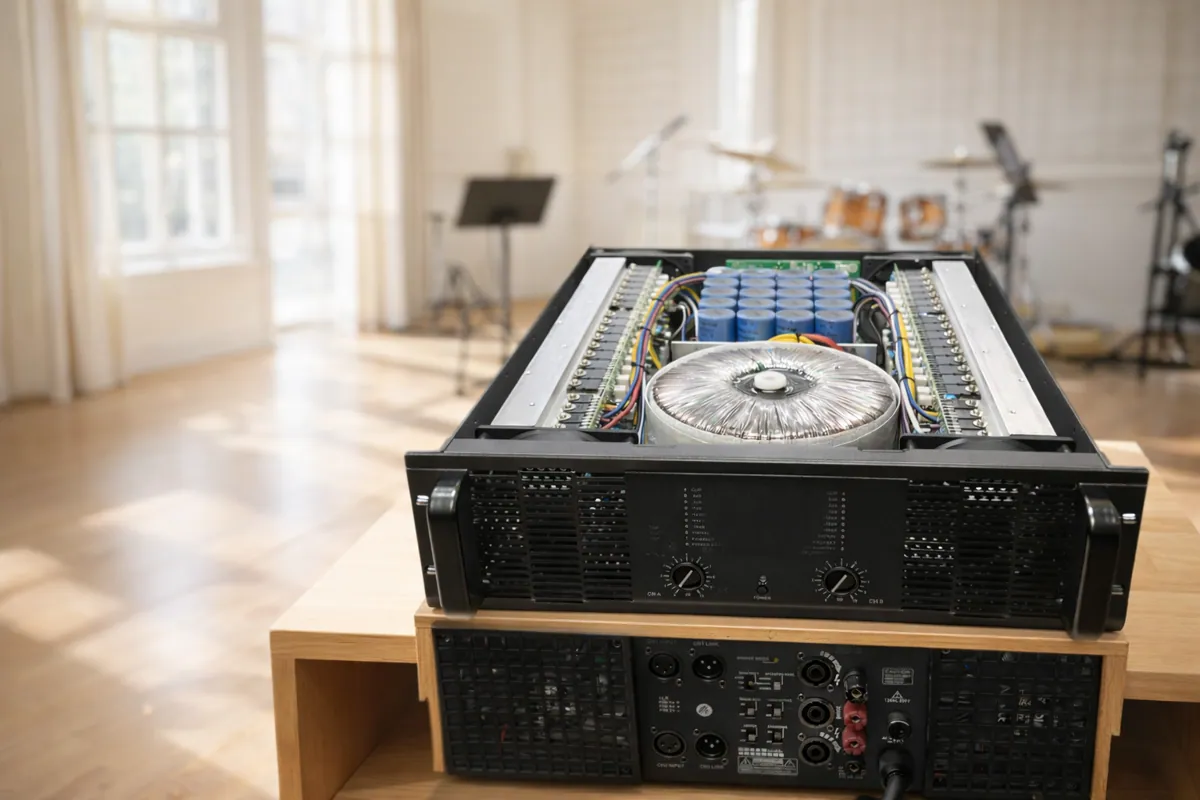
Matching a power amplifier in Kenya to your speakers is one of the most important decisions for anyone involved in music, events, or sound at home. Working here at Vintage Sounds on Tiriki Lane, I see many people struggling with this. Whether outfitting a church, organizing school assemblies, planning a wedding, or just setting up your home music system, getting this match right means clear, reliable sound every time.
Why Matching Matters
Think of your amplifier and speakers as a team. If they don’t work well together, you risk damaging equipment or getting poor sound. Use an amplifier that’s too weak, and your music will be thin and might distort. Too powerful, and you could blow your speakers. In Kenya’s busy event scene, this can mean the difference between a smooth event and a last-minute scramble for replacements.
Understanding Power Ratings
Every speaker and amplifier comes with a power rating, usually in watts. For speakers, you’ll see “RMS” or “continuous” power. This is the amount of power they can handle safely for long periods. For amplifiers, look for “RMS output per channel.” For most Kenyan settings like churches or schools, you want an amplifier that delivers about the same or slightly more power than your speakers’ RMS rating.
- If your speaker is rated for 300 watts RMS, look for a power amplifier in Kenya that delivers 300 to 450 watts per channel at the same resistance (measured in ohms).
- Never use an amplifier much weaker than your speaker. You’ll push it too hard to get enough volume, leading to distortion and possible damage.
- Amp much bigger? Keep the volume knob below halfway, or you risk blowing your speakers.
Impedance: Matching Ohms
Speakers and amplifiers in Kenya usually come rated at 4 or 8 ohms. Always match the ohm rating between amp and speaker. Connecting a 4-ohm speaker to an amp rated only for 8 ohms can overheat the amp quickly, especially during a lively church service or a packed wedding event. Check the labels or manuals before connecting, and ask us if you’re unsure.
Type of Use: Indoors, Outdoors, and Crowds
Consider how you’ll use your system. For small home use, a lower-powered power amplifier in Kenya is often enough. For outdoor weddings, school assemblies, or church gatherings, you need extra headroom. Sound spreads out more quickly outside or in large halls. In these cases, choose an amplifier that’s at least 20% more powerful than your speakers’ RMS rating to keep your sound clean and strong.
- Small homes: 50–100 watts per channel is usually enough.
- Medium churches and schools: 200–400 watts per channel.
- Outdoor events: 400 watts per channel or more, depending on audience size.
Check Your Connections
Most amplifiers and speakers use either bare wire, speakON, or banana plugs. Make sure your cables are in good condition and thick enough for the power you’re using. Poor connections can waste power or cause crackling. Always power off the amplifier before connecting or disconnecting speakers to avoid damage.
Trust Your Ears and Ask for Advice
In the end, listen. If music sounds strained or distorted at normal volumes, your amplifier or speakers might not be well matched. If you’re not sure, bring your questions to us at Vintage Sounds. We know the power amplifier in Kenya market and can help you find the right gear for your church, school, or home setup.
Ready to get your sound system right? Call or WhatsApp us on 0728 118246, or visit Vintage Sounds on Tiriki Lane, Nairobi. We’re always happy to help you choose the right amplifier and speakers for your needs.