
Setting up a simple home studio
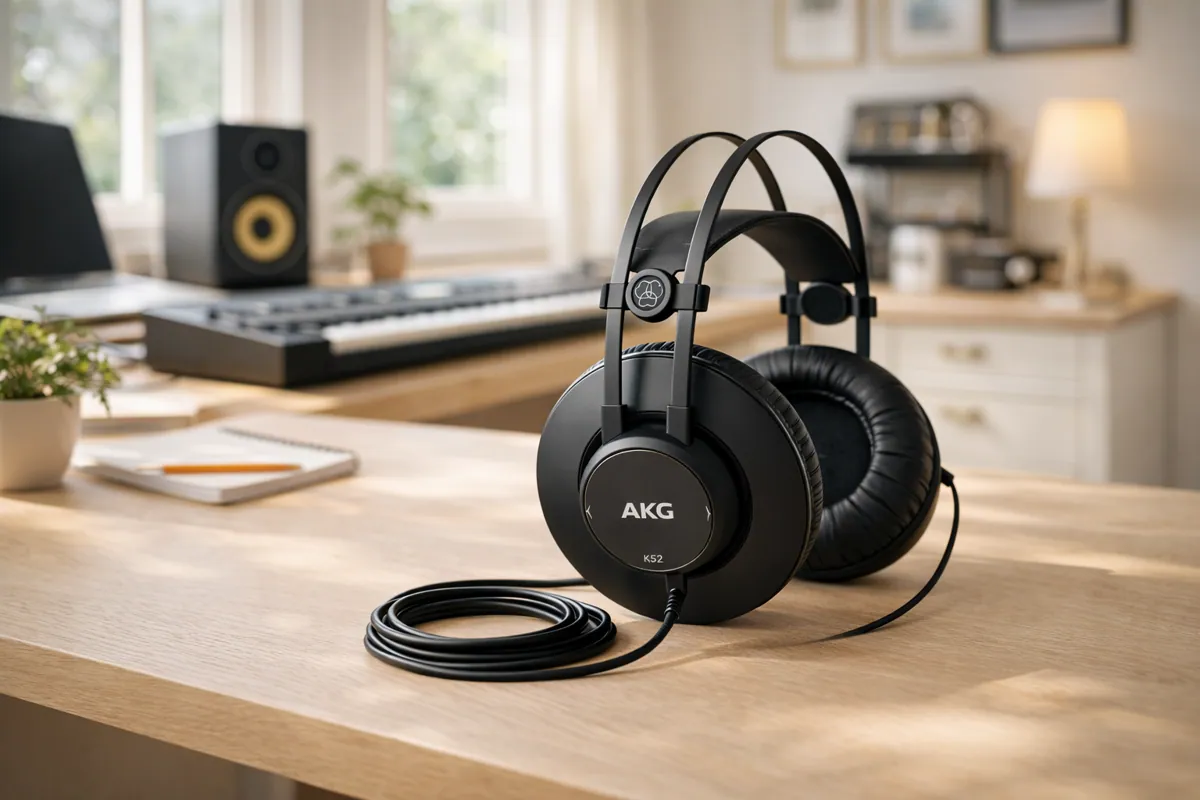
Setting up a simple home studio is now within reach for many Kenyans. We see it often at Vintage Sounds, as more clients look for home studio equipment in Kenya. Maybe you want to record gospel music, podcasts, school lessons, or even voiceovers for weddings and events. A good setup can help you create clear audio for many uses, whether at home, in your church, or even on the road.
The Basics: What Do You Need?
Your first step is knowing what you want to do. Do you want to record vocals or instruments? Are you creating podcasts or producing music? The answer will guide your choices. Here are the essentials for most home studios:
- A computer or laptop – Most modern laptops work well. Make sure it runs the audio software you like.
- Audio interface – This connects your microphone and instruments to your computer. See our Audio Interfaces section for options.
- Microphone – For vocals, a simple condenser or dynamic mic works. Browse our Microphones page for ideas.
- Headphones – Closed-back headphones help you hear every detail without disturbing others.
- Studio monitors (optional) – For better mixing, consider speakers made for studios. Visit our Studio category to learn more.
Choosing the Right Microphone
If your main use is voice (for podcasts, church radio, or school e-learning), a USB microphone may be enough. For music production, consider XLR microphones, which work with most audio interfaces. In Kenyan churches, where choirs and bands often record, a sturdy dynamic mic is useful. In home setups, a condenser mic gives richer vocals, but keep it away from dust and humidity.
Audio Interface: Your Studio’s Hub
The audio interface is key when looking for home studio equipment in Kenya. It acts as the bridge between your gear and your computer. If you record solo, a small, simple interface with one or two inputs is enough. For schools or churches where you might record several people at once, pick a model with more mic inputs. Always check if the drivers work well with your Windows or Mac system.
Setting Up in a Kenyan Home
Many Kenyan homes have tile floors and bare walls, which can cause echoes. Choose a quiet, small room. Add curtains, carpets, or even cushions to absorb sound. If you live near a busy road, record when it’s quietest. For Nairobi apartments, a corner setup with clothes or mattresses nearby can make a big difference. At events, like weddings or school prize-givings, portable stands help you record on the move.
Simple Tips for Clear Sound
- Keep mics away from windows and noisy appliances.
- Use pop filters to reduce breath and mouth sounds.
- Label your cables and keep them tidy to avoid confusion during live events.
- Back up your recordings regularly, especially after church services or school programs.
Growing Your Setup
Start simple and upgrade as your needs grow. If you find yourself recording more people, add more mics or inputs. For podcasts or church choirs, a small mixer can help manage sound. Explore our Studio section for ideas when you are ready. Remember, the best home studio equipment in Kenya is what fits your real needs, whether recording in a school classroom, church hall, or your living room.
Ready to get started, or need advice? Call or WhatsApp us at 0728 118246, or visit Vintage Sounds on Tiriki Lane, Nairobi. We’re here to help you find the right gear for your home studio.